My Greatest Call Me Mom: An Embroidery Review
As a designer who has digitized and stitched out thousands of files, I approach every new machine embroidery design with a healthy dose of skepticism. We have all downloaded files that looked perfect on screen but turned into thread nests or distorted lettering once the needle hit the fabric. When evaluating "My Greatest Call Me Mom," I am looking past the sentimental sentiment to assess its structural integrity for real-world production. This review breaks down how this specific graphic translates from a digital asset to a tangible handmade product, specifically for those of us running a craft business or managing custom orders.
First Impressions and Visual Hierarchy
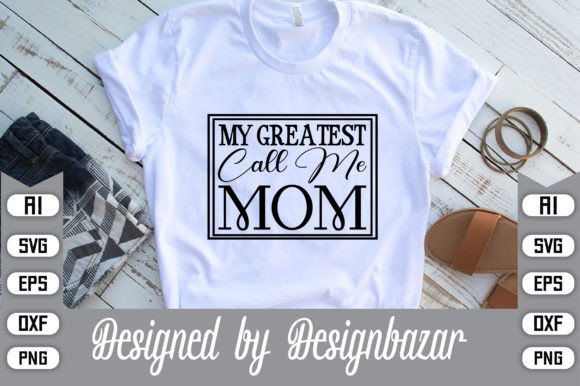
The immediate strength of My Greatest Call Me Mom lies in its typographic balance. In the world of T-Shirt Designs, text-heavy graphics often fail because they lack a clear focal point. This design, however, establishes a strong visual hierarchy. The phrase "Call Me Mom" acts as the anchor, while "My Greatest" serves as a complementary modifier rather than competing for attention. For an Etsy seller or boutique owner, this matters immensely. Customers scan products quickly; if the message isn't legible at a glance or in a thumbnail printable mockup, the sale is lost.
From a digitizing perspective, the layout suggests versatility. It does not appear overly rigid, which means it can adapt to various hoop size constraints without losing its personality. The spacing between elements feels intentional, allowing for adequate registration marks and preventing the design from feeling cramped when stitched on textured fabrics like fleece or terry cloth.
Real-World Application: The Sweatshirt Test
To truly evaluate this embroidery file, I mentally placed it in a current production scenario: a custom crewneck sweatshirt order for a Mother’s Day collection. Sweatshirts are unforgiving. The fabric is thick, stretchy, and prone to puckering if the stitch density is too high or the stabilization is inadequate.
In this context, My Greatest Call Me Mom performs well because of its likely construction. Assuming standard professional digitizing practices for this style of graphic, the design should utilize a combination of satin stitch for the lettering and potentially fill stitch or running stitch accents depending on the specific variation you choose to stitch. On a heavyweight cotton blend, the bold lettering provides enough surface area to sit on top of the fabric nap without sinking in. This is crucial for custom apparel. If the stitches sink, the design disappears, and the customer perceives low value.
For my shop, this design bridges the gap between personal sentiment and retail viability. It is specific enough to feel like a personalized gift but broad enough to be stocked as ready-to-ship inventory. When photographing the finished product, the contrast of the thread against the garment creates a clean, professional aesthetic that builds buyer trust.
Navigating Fabric Limitations and Hoop Constraints
While versatile, no digital embroidery file is immune to physics. There are specific scenarios where I would advise caution when using My Greatest Call Me Mom.
- Stretchy Knits and Performance Wear: If you are applying this to moisture-wicking athletic material or thin jersey knits, you must use appropriate stabilizer. A cut-away stabilizer is non-negotiable here. Without it, the weight of the embroidery will distort the garment's drape, making the shirt hang awkwardly.
- Small Hoop Sizes: Always check your machine’s maximum stitching area before purchasing. While SVG and AI files are scalable vectors, resizing an embroidery design significantly (more than 20% up or down) can alter stitch density and cause thread breaks. If you need a 4x4 version, ensure the file was originally digitized for that size or resize within safe parameters using proper software.
- Textured Surfaces: On items like terry cloth towels or plush blankets, consider using a water-soluble topping. This prevents the stitches from getting lost in the pile. My Greatest Call Me Mom relies on legibility; if the fabric texture obscures the fine details of the lettering, the emotional impact is diminished.
- Dark Fabrics: Test your thread colors against dark backgrounds. High contrast is essential. A navy thread on a black sweatshirt might look elegant on screen but will be invisible in person. Always run a test stitch-out on scrap fabric that matches your final project.
Technical Assets and Commercial Viability
The product description specifies that you receive word-by-layer SVG files and an Adobe Illustrator source file. For fellow designers and commercial embroidery operators, this is a significant advantage over flattened raster images. Having the AI file allows you to verify vector paths and make minor adjustments if necessary before converting to your machine format. However, please note that the download includes digital files only. You will need your own digitizing software or a trusted digitizer to convert these vectors into machine-readable formats like DST, PES, or EXP if they are not included in the zip.
For small shop product lines, having layered assets means you can create cohesive branding. You could use just the "Mom" element for a subtle pocket placement and the full "My Greatest Call Me Mom" phrase for a center chest design. This flexibility maximizes the ROI on your design assets.
When listing this on platforms like Etsy, transparency is key. Because this is a digital download, clearly state in your listing what formats you provide after digitizing. If you are selling the physical embroidered item, highlight that the design is professionally tested. Customers appreciate knowing that the embroidered patch or shirt they are buying won't fall apart after one wash cycle.
Designer Notes for Successful Stitch-Outs
Before adding My Greatest Call Me Mom to your permanent catalog, follow this practical checklist to ensure quality control:
- Verify Licensing: Before selling finished goods or modified digital products, confirm the commercial license terms associated with this specific download. Protect your business by understanding usage rights.
- Test on Scrap: Never stitch directly onto a client’s garment without a test run. Use similar fabric weight and weave to check for registration issues or tension problems.
- Check Thread Contrast: View your test stitch-out in natural light and indoor lighting. Colors shift dramatically between environments.
- Evaluate Washability: If this is intended for baby clothes or kitchen textiles, wash and dry the test sample. Check for shrinkage, thread fraying, or stabilizer residue.
- Mockup Accuracy: When creating listings, use realistic mockups. Do not over-edit the embroidery to look smoother than it actually is. Authentic representation reduces returns and increases customer satisfaction.
Final Verdict for Makers
My Greatest Call Me Mom represents a solid addition to any embroiderer's library, particularly for those focusing on family-centric holiday embroidery or year-round maternal gifts. Its success depends entirely on execution. As a vector-based graphic, it offers the flexibility needed for modern apparel decorators, but it demands respect for technical fundamentals. By paying attention to stabilization, fabric choice, and proper digitizing conversion, this design can transition seamlessly from a digital download to a cherished, high-quality keepsake. Whether you are crafting a single baby embroidery piece or fulfilling a bulk order for a local moms' group, treating this design with professional care will yield results that honor both the sentiment and your craftsmanship.