Letterboxing Mom: A Designer’s Embroidery Review
As a professional embroidery designer and product reviewer, I approach every new graphic with a specific question: will this actually stitch out well on a finished product? When evaluating Letterboxing Mom, my assessment goes beyond the digital preview. While this asset is marketed as print-ready graphics for T-shirt designs, its clean lines and thematic clarity make it a compelling candidate for digitizing into a machine embroidery design. For Etsy sellers, craft business owners, and makers focusing on niche hobbies, understanding how this vector art translates to thread is crucial before committing it to fabric.
First Impressions and Thematic Resonance
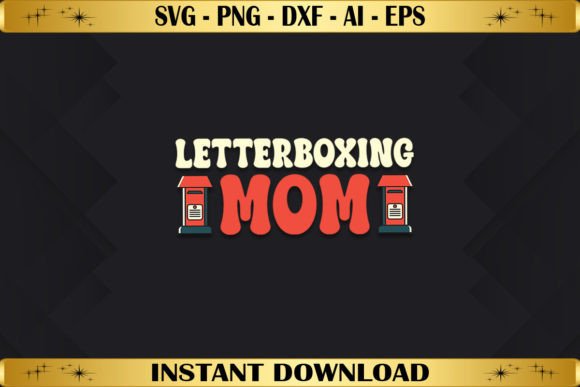
My initial reaction to Letterboxing Mom is that it captures a very specific, passionate demographic. The design balances whimsy with readability, which is the golden rule for successful embroidered patches and custom apparel. Visually, it avoids the cluttered aesthetic that often plagues hobby-specific merchandise. Instead of overwhelming detail, it relies on strong silhouettes and clear typography. This is excellent news for embroiderers because negative space is your friend when converting graphics to stitches.
The mood is nostalgic yet active, perfectly suited for the letterboxing community. It feels like a design that belongs on a canvas tote bag carried through wooded trails or a cozy sweatshirt worn during outdoor meets. For a handmade product seller, this visual personality suggests a buyer who values craftsmanship over mass production. The design assets provided in the zip folder—specifically the SVG and AI files—are ideal starting points for digitizing software because they offer scalable vectors rather than pixelated raster images. This ensures that whether you are creating a 3-inch chest logo or a 6-inch back patch, the edges remain crisp.
Real-World Application: The Canvas Tote Test
To truly evaluate Letterboxing Mom, I mentally placed it in a real-life scenario: a heavy-duty canvas tote bag intended as a personalized gift for an avid letterboxer. Totes are high-traffic items that face friction, washing, and varying lighting conditions. In this context, the design performs exceptionally well because of its potential for bold satin stitch outlines and manageable fill stitch areas.
When digitizing this graphic for a tote bag design, the priority is durability. The text elements within Letterboxing Mom appear substantial enough to withstand the tension of embroidery without disappearing into the fabric weave. Unlike intricate floral patterns that might require excessive stitch density, this graphic allows for open fills or running stitch accents, reducing the risk of puckering on unstructured canvas. For a small shop product, this efficiency means faster run times and less thread consumption, directly impacting profit margins without sacrificing quality.
Furthermore, this design bridges the gap between personal use and commercial embroidery. If you are an Etsy seller listing "Letterboxing Mom Gifts," this graphic serves as a versatile base. It can be stitched as-is for a classic look or modified with a name below for a premium personalized gift tier. The versatility of having both DXF and EPS files means you can easily adjust the artwork in vector software before importing it into your embroidery digitizing program, ensuring the final embroidery file is optimized for your specific machine.
Navigating Fabric Limitations and Hoop Constraints
While Letterboxing Mom is versatile, no design is universal. As an experienced reviewer, I must highlight where caution is necessary. This design likely contains text elements that dictate minimum sizing. If you attempt to shrink this down for a baby embroidery project or a small cap logo, the internal details may become illegible or cause thread breaks.
- Stretchy Fabrics: On performance t-shirts or stretchy knits, the design requires careful stabilizer selection. Because the graphic likely has defined edges, any fabric distortion will be immediately visible. Use a cut-away stabilizer and consider a topping to prevent stitches from sinking into the knit texture.
- Textured Surfaces: Avoid using this design on high-pile towels or fuzzy fleece unless you modify the stitch type. The fine details of the letterboxing theme will get lost. Stick to smooth cottons, twill, denim, or canvas for the best stitch clarity.
- Curved Bases: If adapting this for hat embroidery, ensure the design does not exceed your cap frame’s safe zone. Flat graphics often need distortion correction when wrapped around a curved surface. Test the curve before stitching on a finished product.
- Dark vs. Light Fabrics: Always check contrast. If the original graphic uses thin lines, they may vanish on dark fabric unless you add a white underlay or increase the column width. Conversely, on white fabric, ensure your thread colors have enough saturation to stand out.
For apparel decorators working with thin fabrics like rayon or lightweight linen, the stitch density of Letterboxing Mom must be managed. Over-dense areas can act like a perforation line, tearing the garment. Always review the density map in your software after digitizing.
Professional Standards and Business Value
In the competitive landscape of digital product sellers and craft entrepreneurs, presentation is everything. Using Letterboxing Mom effectively can elevate your brand consistency. Because the source files include high-quality vectors, you can create professional printable mockups for your listings before ever threading a needle. Showing customers a crisp digital preview alongside a photo of the actual stitched sample builds immense trust.
From a business perspective, this design supports multiple revenue streams. It works as a standalone embroidered patch for iron-on application, a direct-to-garment sweatshirt embroidery design, or even a digital embroidery file for other makers to purchase (provided your licensing permits resale of digitized versions). The niche appeal of letterboxing means lower competition compared to generic "Mom" designs, allowing for better buyer engagement and higher perceived value.
However, professionalism also means respecting intellectual property. Before selling finished products or listing the digitized version, confirm the licensing terms included in your download. Just because a file is print-ready does not automatically grant unlimited commercial embroidery rights. Protecting your business starts with verifying these details.
Critical Pre-Stitch Checklist for Makers
Before you hoop your first piece of good fabric, treat Letterboxing Mom with the same rigor as any complex machine embroidery design. My recommended workflow for this specific graphic includes:
- Vector Verification: Open the SVG or AI file first. Check for overlapping paths or unclosed shapes that could cause erratic stitching jumps during digitization.
- Test Stitch-Out: Never skip this step. Use scrap fabric similar to your final project. Evaluate the registration between color changes and the legibility of any text at your intended size.
- Stabilizer Match: Pair the stabilizer to the fabric weight, not just the design. A sturdy tote needs tear-away; a soft hoodie needs cut-away.
- Thread Contrast Check: View your test stitch in natural light. Indoor lighting can be deceptive. Ensure the design reads clearly from a conversational distance.
- Wash Test: If selling custom apparel, wash and dry your sample. Letterboxing Mom should maintain structural integrity without excessive fraying or shrinkage issues.
By approaching Letterboxing Mom with technical mindfulness and creative respect, you transform a simple digital download into a high-value asset. Whether you are crafting a holiday gift for a fellow enthusiast or expanding your shop’s inventory with niche T-shirt designs, this graphic offers a solid foundation for beautiful, profitable embroidery work. Remember, the success of any embroidery project lies not just in the design itself, but in the maker’s understanding of how thread interacts with art.