Mom of Girls Retro Design: An Embroidery Review
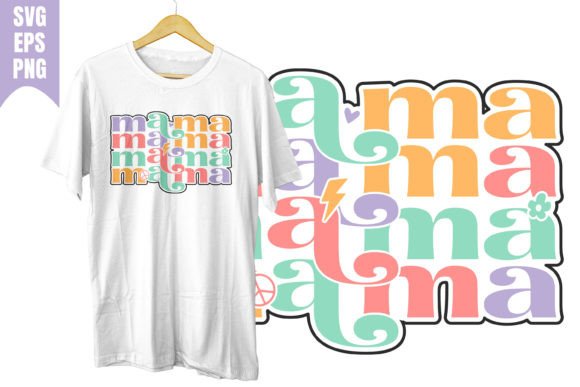
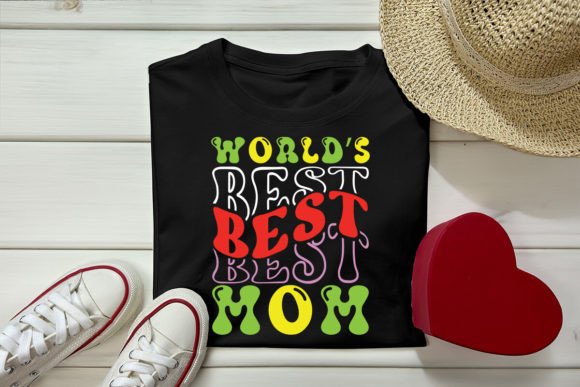
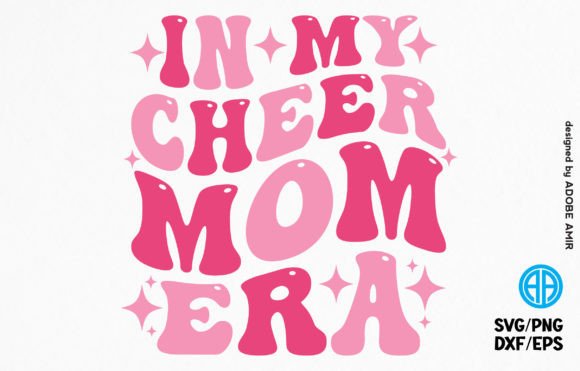
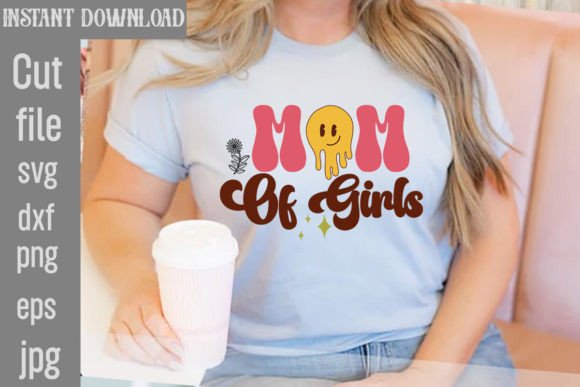
When evaluating graphics for translation into stitch, the first thing I look for is structural integrity. As a designer who regularly bridges the gap between digital art and textile production, I approach the Mom of Girls Retro Design with a critical eye toward manufacturability. While this product is listed under T-Shirt Designs and Graphics as a digital download including SVG, DXF, EPS, and PNG files, its aesthetic suggests strong potential for mixed-media application. The retro style typically implies bold lines, distinct color blocking, and vintage typography, all of which are favorable characteristics for embroidery adaptation. However, moving from a vector graphic to a tangible embroidered patch or sweatshirt requires careful technical consideration.
First Impressions and Aesthetic Viability
The visual personality of this design leans heavily into nostalgia and warmth. For an Etsy seller or boutique owner, this mood is commercially valuable because it triggers an emotional response in buyers looking for personalized gifts or custom apparel. Upon reviewing the provided 300 DPI PNG and vector files, the layout appears balanced. Retro designs often utilize self-contained shapes or badge-like compositions, which naturally lend themselves to hoop placement without excessive distortion on curved surfaces like caps or sleeves.
From a production standpoint, the "retro" label usually means the artwork avoids ultra-fine gradients that plague machine embroidery digitizing. Instead, we likely see solid areas of color suitable for fill stitch or satin stitch columns. This clarity is essential for maintaining stitch density at reasonable levels. If you are planning to use this for commercial embroidery projects, the bold nature of the graphics should allow for good visibility from a distance, increasing buyer engagement at craft fairs or in online listing thumbnails.
Real-World Application: The Custom Sweatshirt Test
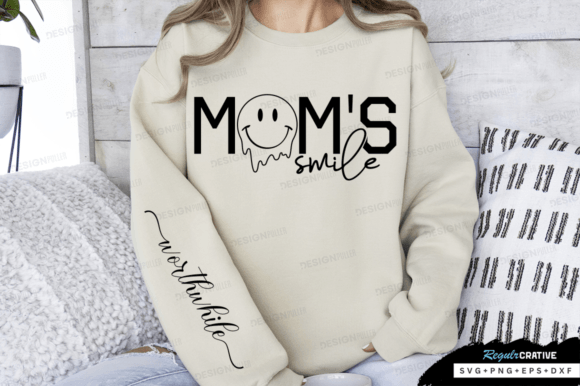
To truly judge this asset, I mentally placed it in a real-life scenario: creating a premium crewneck sweatshirt for a mother’s day collection. In this context, the Mom of Girls Retro Design serves as the centerpiece. Because the source files include vectors (EPS/SVG), a digitizer can easily separate color layers to create a clean applique design rather than stitching out thousands of dense fill stitches. This is crucial for garment wearability; nobody wants a stiff, bulletproof logo on a soft fleece sweatshirt.
For this specific project, I would utilize the vector file to create a cut fabric applique for the main retro shapes, securing them with a running stitch and finishing edges with a narrow satin stitch. The text elements, assuming they are bold enough, could be stitched directly. This hybrid approach preserves the handmade product feel while keeping production time efficient. For small shop owners, this efficiency translates to better margins. The resulting finished product feels high-end and durable, avoiding the cheap look of overly dense direct embroidery on knit fabrics.
Technical Constraints and Fabric Considerations
Despite the versatile file formats, users must exercise caution regarding where this design is applied. Since this is a graphic download and not a pre-digitized embroidery file, you must verify the complexity before committing to difficult substrates.
- Stretchy Fabrics: When applying this to ribbed knits or spandex blends, the retro elements may distort if the stabilizer is insufficient. Always test on scrap fabric with similar stretch properties.
- Textured Surfaces: On terry cloth towels or canvas tote bags, fine details in the retro lettering might get lost. You may need to simplify the design or add a topping stabilizer to ensure stitch clarity.
- Small Hoop Sizes: If adapting this for baby embroidery or sleeve cuffs, resizing vector art requires redrawing stitch parameters. Simply shrinking a large design can cause thread breaks and poor coverage.
- Dark Fabrics: Ensure the design includes adequate contrast. Retro palettes can sometimes be muted; on black or navy garments, you may need to adjust thread colors to maintain visual pop.
I would advise against using intricate versions of this design on sheer fabrics or silk without significant modification. The stitch density required to cover the graphic area could pucker delicate materials irreparably. Always confirm your hoop size capabilities against the intended final dimensions before purchasing or digitizing.
Commercial Value and Brand Consistency
For creative entrepreneurs and digital product sellers, the inclusion of multiple file types adds immense value beyond just embroidery. The transparent PNG allows for immediate printable mockups, enabling you to list custom apparel options before stitching a single sample. This is vital for testing market demand. Meanwhile, the SVG and DXF files cater to Cricut and Silhouette users who might want to offer heat transfer vinyl versions alongside your embroidered goods.
However, professionalism hinges on execution. A poorly digitized version of the Mom of Girls Retro Design will damage customer trust faster than almost anything else. Before selling finished products, inspect your test stitch-outs critically. Are the satin stitches pulling the fabric? Is the registration between the applique and the outline precise? Does the design survive washing without fraying? These quality checks define your brand consistency. Buyers returning for holiday embroidery or personalized gifts expect durability that matches the nostalgic aesthetic.
Essential Designer Notes for Success
Before integrating this graphic into your inventory, adhere to these practical protocols to ensure professional results:
- Verify Licensing: Confirm whether the license permits commercial use of finished physical products versus digital redistribution. Never assume rights based solely on file format availability.
- Digitize Intentionally: Do not rely on auto-digitizing software for retro graphics. Manual parameter adjustment is necessary to respect the vintage aesthetic while ensuring structural soundness.
- Test Contrast: Run a black-and-white simulation in your embroidery software to check value contrast. If the design looks muddy in grayscale, it will lack definition in thread.
- Stabilizer Selection: Match your backing to the fabric weight. Cutaway for knits, tear-away for wovens, and water-soluble toppings for textured items like fleece or towels.
- Mockup Validation: Use the 300 DPI PNG to create realistic previews, but always photograph a physical sample for your primary listing image to build authenticity.
Final Verdict for Makers
The Mom of Girls Retro Design represents a solid foundation for apparel decorators and makers, provided it is treated as a starting point rather than a plug-and-play solution. Its strength lies in its stylistic compatibility with current trends in mom-centric merchandise and its multi-format flexibility. Whether you are producing embroidered patches for denim jackets, customizing nursery decor, or building a cohesive Etsy shop theme, this graphic offers the right visual bones.
Success ultimately depends on your willingness to adapt the art to the medium. Respect the limitations of thread and fabric, leverage the vector files for smart digitizing strategies like applique, and validate every output through rigorous testing. When executed with this level of care, this design transforms from a simple digital download into a profitable, high-quality asset for your creative business.