One Hoppy Twin Mom Sublimation: A Designer's Review
As a professional designer who bridges the gap between digital assets and tangible textiles, I approach every new graphic with a specific question: how will this actually translate to thread? When evaluating One Hoppy Twin Mom Sublimation, my perspective shifts from purely visual aesthetics to structural integrity. While this asset is marketed as a digital file for cutting machines and print templates, its potential in the embroidery studio is significant if approached with technical intention. For Etsy sellers, apparel decorators, and makers creating personalized gifts for twin mothers, understanding the crossover between sublimation graphics and machine embroidery design is vital for producing high-quality commercial embroidery or boutique merchandise.
Visual Personality and Seasonal Application
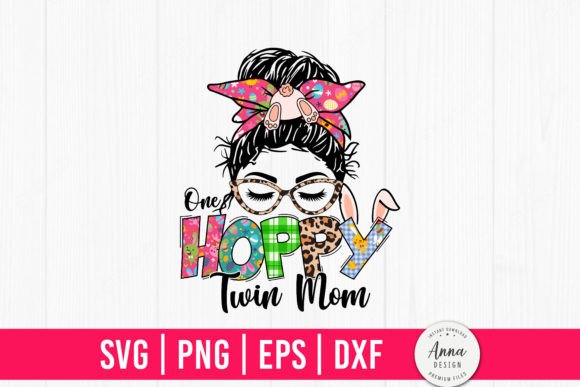
The first impression of One Hoppy Twin Mom Sublimation is undeniably cheerful. The layout suggests a playful, spring-themed aesthetic that resonates deeply with the niche market of twin moms celebrating Easter or spring birthdays. From a design judgment standpoint, the typography and illustrative elements possess a boldness that is necessary for textile work. Delicate, wispy fonts often disappear when converted to satin stitch or fill stitch, but this graphic appears to have enough visual weight to support digitizing.
In a real-life scenario, I envision this design anchoring a custom apparel project, specifically a sweatshirt embroidery piece for a mom’s group outing or a family photo session. The mood is lighthearted yet specific, which adds immediate perceived value to a handmade product. Unlike generic "Mom" designs, the twin-specific callout creates instant recognition and emotional connection. For a craft business or small shop product line, this specificity drives buyer engagement because it solves a gifting problem for a demographic that often struggles to find representative merchandise.
Translating Graphics to Stitch: Technical Considerations
It is crucial to remember that One Hoppy Twin Mom Sublimation is provided as an SVG, PNG, DXF, and EPS digital file for cutting machines. It is not a pre-digitized embroidery file. This distinction matters immensely for embroidery designers and digitizers. You are receiving the art, not the stitches. However, as a source asset for creating a machine embroidery design, it offers excellent versatility.
When adapting this graphic for an embroidery project, consider the following technical transitions:
- Satin Stitch vs. Fill Stitch: Evaluate the width of the lettering and bunny elements. If the lines are consistent and moderate in width, they can be digitized as satin stitch for a classic, raised texture. If the design features large solid areas typical of sublimation graphics, you must convert these to fill stitch or applique design techniques to prevent bulletproof stiffness.
- Stitch Density Management: Sublimation files are optimized for ink absorption, not needle penetration. When digitizing this for fabric, you may need to reduce density slightly to accommodate the texture of garments like fleece or french terry. High stitch density on stretchy fabric can cause puckering, so testing on scrap fabric is non-negotiable.
- Color Mapping: Sublimation allows for unlimited gradients. Embroidery does not. You will need to simplify the color palette to available thread colors. Decide whether to use variegated threads to mimic gradients or stick to solid blocks of color for a cleaner, more traditional embroidered patch look.
Real-World Project Performance and Fabric Pairing
I recently evaluated similar spring-themed graphics for a client requesting custom tote bag designs for a twin mom retreat. The success of such a project hinges on fabric texture and stabilizer choice. One Hoppy Twin Mom Sublimation would perform exceptionally well on stable, woven fabrics like canvas tote bags or denim aprons. These materials provide a firm foundation that supports detailed running stitch outlines and crisp satin borders without distortion.
However, caution is required when applying this to baby embroidery items or stretchy knits. If you are placing this design on a onesie or lightweight knit top, the design area must be properly stabilized with cut-away backing to maintain shape. The "hoppy" theme implies movement and whimsy, but structurally, the embroidery must remain static and secure. For nursery decor or pillow covers, the design translates beautifully because these items are typically made of cotton or linen blends that accept embroidery gracefully.
For holiday embroidery or seasonal boutique branding, this design serves as an excellent centerpiece. I recommend pairing it with simple, complementary monograms rather than additional complex clip art. Overcrowding the hoop size is a common mistake; let the One Hoppy Twin Mom Sublimation artwork breathe. Negative space is just as important as stitched areas for achieving a professional, high-end finish.
Strategic Use Cases and Limitations
While versatile, this graphic has boundaries. Because it originates as a sublimation template, verify the resolution before scaling up for large back prints on sweatshirts. Pixelation in the source file will result in jagged edges in your digitized embroidery file. Always vector-based formats (SVG/EPS) are preferred over raster (PNG) for ensuring smooth curves during the digitizing process.
Be mindful of tiny details. Intricate facial features on bunnies or thin decorative flourishes that look great in print may become lost or cause thread breaks when stitched. In my experience, simplifying these elements during the digitizing phase preserves the design's charm while ensuring durability through frequent washing. This is especially critical for custom apparel intended for active moms and children.
Furthermore, consider the contrast. Sublimation designs often rely on white backgrounds. If embroidering on dark fabric, you must plan for an underlay or a light-colored applique base. Simply changing thread colors without adjusting the digitizing structure can lead to poor coverage and a muddy appearance. Test black and white mockups of your digitized version to ensure the silhouette reads clearly regardless of the background fabric color.
Professional Notes for Sellers and Makers
For Etsy sellers and creative entrepreneurs using One Hoppy Twin Mom Sublimation to build inventory, presentation is key. Since you are adapting a print template into a stitched good, your listing photos should highlight the texture difference. Show close-ups of the stitch definition to prove quality. Buyers trust handmade products that demonstrate technical competence.
Before listing any finished product or selling digital embroidery derivatives, strictly review the licensing terms included with your purchase. Confirm whether the license permits commercial embroidery, digital resale, or only personal use. Protecting your craft business means respecting intellectual property. Additionally, always create a physical sample before accepting bulk orders. What looks perfect in software may require tension adjustments or stabilizer changes on actual fabric.
Ultimately, One Hoppy Twin Mom Sublimation is a strong foundational asset for spring collections. Its success in embroidery depends entirely on your willingness to adapt it thoughtfully. By respecting the differences between print and stitch, managing density, and choosing appropriate applications, you can transform this digital graphic into a beloved, wearable celebration of twin motherhood that stands out in a crowded marketplace.