Swing for the Fences: A Retro Embroidery Review
As a designer who spends more time behind an embroidery machine than a computer screen, I approach every new graphic with a specific question: will this actually stitch out well? When I first opened the Swing for the Fences Retro Design bundle, I wasn't just looking at a trendy t-shirt graphic. I was evaluating it as a potential machine embroidery design for my upcoming spring collection. The retro baseball aesthetic is timeless, but translating screen-print graphics into thread requires a critical eye. This review breaks down how this specific design asset performs when moved from a digital file to a tangible, stitched finished product.
First Impressions and Visual Personality
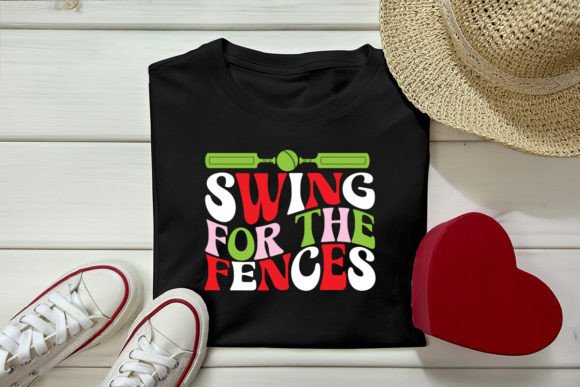
The Swing for the Fences Retro Design immediately strikes a nostalgic chord. It captures that classic, mid-century Americana vibe that customers currently love in custom apparel and boutique merchandise. As a graphic, the layout is balanced, featuring bold typography and iconic baseball imagery. For an embroiderer, this balance is crucial. The design doesn't feel cluttered, which suggests it could translate beautifully into satin stitches and fill patterns without becoming a dense, bulletproof patch of thread.
What stands out most is the versatility included in the bundle. Having access to PNG files in three color variations, plus white and black options, allows me to visualize contrast before I even thread a needle. The inclusion of EPS and SVG files is a massive advantage for those of us who digitize our own embroidery files. Being able to open the vector source means I can adjust elements, resize text, or isolate specific icons for smaller projects like caps or baby bibs without losing quality. This isn't just a static image; it is a flexible foundation for creative entrepreneurs.
Real-World Application: The Vintage Sweatshirt Test
To truly evaluate this design, I mentally walked through a recent client project: a custom embroidered sweatshirt for a local little league fundraiser. They wanted something that felt vintage rather than like a standard uniform. The Swing for the Fences Retro Design was the perfect candidate for this sweatshirt embroidery project.
In this scenario, the retro color palette provided in the PNG files served as an exact thread matching guide. Instead of guessing which shade of red or cream would look "old school," I had a print-ready reference at 300 dpi. For the actual stitching, I envisioned using a combination of techniques. The bold lettering calls for a clean satin stitch to maintain legibility, while the background elements could utilize a lighter fill stitch or even an applique design approach to reduce stitch count and add texture. On a fleece sweatshirt, minimizing density is key to preventing fabric distortion. Because the EPS file is fully editable, I could easily separate the text from the graphic, allowing me to hoop the garment once and align the elements perfectly, ensuring professional registration on the final handmade product.
Navigating Fabric Choices and Hoop Limitations
While this design shines on stable knits and fleece, caution is necessary for other applications. If you are planning to use the Swing for the Fences Retro Design for baby embroidery on thin cotton onesies, you must modify the density. Retro designs often feature distressed textures that can turn into perforated paper on lightweight fabrics if not adjusted. Always test on scrap fabric first with the appropriate stabilizer. A cut-away stabilizer is non-negotiable for stretchy knits to prevent the design from puckering after washing.
For tote bag design projects involving canvas or denim, this graphic is a powerhouse. The heavier fabric weight supports higher stitch counts and detailed satin borders. However, be mindful of your hoop size. The design is provided in large formats (15in and 18in), which are ideal for DTG printing but require significant resizing for embroidery. Never simply shrink a complex design to fit a 4x4 hoop; the tiny lettering will become illegible and the satin stitches may disappear. Instead, use the SVG or EPS file to recreate the layout specifically for smaller hoops, perhaps focusing solely on the crossed bats or the central emblem for items like caps or pockets.
Commercial Viability for Etsy Sellers and Makers
For the Etsy seller or small shop owner, the commercial value of this bundle extends beyond a single product. The "Trendy Pod Best T-Shirt Design Bundle" label indicates market relevance, but the file structure supports business scalability. Having transparent PNGs makes creating printable mockups effortless. You can showcase the design on various garments in your listing photos before you’ve stitched a single sample, helping to validate demand and drive pre-orders.
Furthermore, the distinct color, white, and black variations allow for diverse product lines. The white version is perfect for dark navy or charcoal garments, creating high contrast that photographs well for social media. The black version works beautifully on cream or heather gray fabrics. This flexibility helps maintain brand consistency across different personalized gift options. Whether you are selling digital assets to other crafters or finished embroidered goods, the professional presentation of these files builds customer trust. Buyers recognize quality, and crisp, well-digitized embroidery derived from high-quality vectors signals that your shop pays attention to detail.
Essential Designer Notes Before Stitching
Before you load the Swing for the Fences Retro Design into your software or machine, keep these practical considerations in mind:
- Verify Licensing: Always confirm the specific license terms included with the bundle. Ensure you have the right to sell finished embroidered products versus just the digital design assets themselves.
- Check Thread Contrast: Retro colors can sometimes blend together when stitched. Test your thread colors against the actual garment fabric, not just the screen. What looks distinct digitally might merge visually in thread.
- Stitch Density Check: Since this is primarily a graphic bundle, if you are auto-digitizing or purchasing a pre-digitized version based on this art, inspect the stitch density. Retro distress marks should be simulated with thread texture, not excessive underlay, to avoid stiff results.
- Mockup Testing: Use the included transparent PNGs to create black and white mockups. This reveals whether the design relies too heavily on color contrast or if the values hold up in monochrome embroidery.
- Fabric Texture Matters: Avoid placing highly detailed sections of this design over thick seams or textured terry cloth. The fabric texture can swallow fine running stitches and ruin the retro aesthetic.
Final Thoughts on Project Selection
The Swing for the Fences Retro Design is more than just a seasonal graphic; it is a robust asset for makers who understand the intersection of digital art and textile craft. Its strength lies in its clean composition and comprehensive file inclusion, making it suitable for everything from holiday embroidery gifts to year-round boutique inventory. By respecting the technical requirements of embroidery—adjusting for fabric weight, managing hoop sizes, and utilizing the editable vector files—you can transform this trendy graphic into a premium stitched product that stands out in a crowded handmade marketplace. Remember, successful commercial embroidery starts with smart design choices and ends with meticulous execution.