Trick or Treat Sublimation PNG: An Embroidery Review
As a professional embroidery digitizer and product reviewer, I approach every new graphic asset with a specific question: will this actually translate to thread? When evaluating the Trick or Treat Sublimation PNG Download for potential adaptation into a machine embroidery design, my focus shifts immediately from screen resolution to stitch viability. This retro Halloween design carries a distinct vintage aesthetic that is currently dominating the market for custom apparel and fall merchandise. However, as any experienced maker knows, a beautiful raster graphic does not automatically guarantee a successful embroidered patch or sweatshirt embroidery project. The visual personality of this file suggests nostalgia and warmth, but translating those gradients and distressed textures into satin stitch, fill stitch, and running stitch requires careful planning and realistic expectations.
Evaluating Retro Aesthetics for Stitch Translation
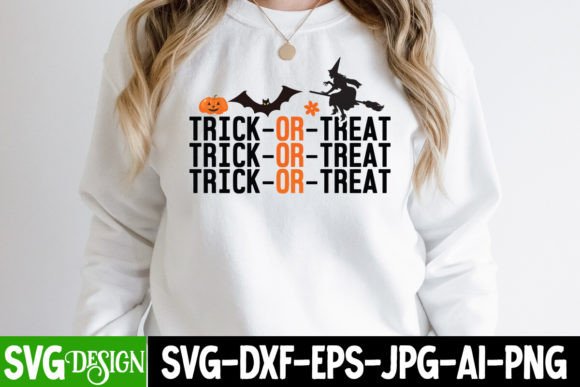
My first impression of the Trick or Treat Sublimation PNG Download is that it captures the current demand for western Halloween svg styles and cozy fall vibes perfectly. The layout feels balanced for center-chest placement on a crewneck or as a primary focal point on a tote bag design. For an Etsy seller or small shop product line, this mood is invaluable because it triggers an emotional connection with buyers looking for handmade products rather than mass-produced goods. However, retro designs often rely on halftones, grainy textures, and color blending that are native to sublimation but problematic for needle and thread.
When I look at this graphics file through the lens of digitizing, I am analyzing shape definition. Does the pumpkin have clear edges suitable for a border stitch? Is the witch silhouette distinct enough to hold its form in a 4x4 hoop size? The strength of this particular bundle lies in its bold, recognizable shapes. Unlike intricate illustrations that turn into mud when stitched, this design offers clean lines that can be effectively converted into applique design elements or dense fill areas. This clarity is essential for maintaining professionalism in commercial embroidery projects where stitch clarity directly correlates to perceived value and customer trust.
Real-World Application: The Custom Sweatshirt Test
To truly judge the utility of this digital embroidery file, I mentally walked through a recent client request for a batch of personalized holiday gifts. The project involved creating retro-style sweatshirts for a boutique’s autumn launch. Using the Trick or Treat Sublimation PNG Download as the base art, I had to determine if the design could withstand the texture of heavy cotton fleece without losing detail.
In this scenario, the design performs exceptionally well as a mixed-media piece. Because the original file is optimized for sublimation, attempting to replicate every pixel in thread would result in excessive stitch density and a stiff, bulletproof feel on the garment. Instead, I found that using this PNG as a guide for a simplified applique design yielded the best results. By utilizing fabric scraps that matched the retro color palette for the main shapes and using running stitch for internal details, the finished product retained the vintage charm of the original graphics while remaining soft and wearable. This approach is critical for baby embroidery or items intended for frequent washing, where high stitch counts can damage delicate fibers or cause puckering.
Navigating Fabric Limitations and Hoop Constraints
While the aesthetic is versatile, there are specific environments where this design demands caution. If you are planning to use this for cap embroidery or curved surfaces, the horizontal spread of typical "Trick or Treat" typography may require significant modification. Curved brims do not forgive wide, dense text blocks, and the retro font style in this bundle likely needs to be separated or arched to prevent registration issues.
Furthermore, consider your stabilizer strategy when working with stretchy fabrics like ribbed knits or performance wear. The visual weight of this retro Halloween design suggests a medium-to-heavy stitch count if digitized traditionally. On thin or unstable fabrics, this can lead to distortion. I always recommend testing the design on scrap fabric first, specifically matching the weight and weave of your final production material. Check thread color contrast against both light and dark backgrounds; retro palettes often include muted tones that may disappear on cream-colored fabric or lack pop on black garments without adequate underlay or outline definition.
- Stretchy Knits: Use cut-away stabilizer and consider a lighter stitch density version to prevent fabric tunneling.
- Textured Fabrics: Avoid tiny running stitch details on terry cloth or minky; they will sink into the pile and become invisible.
- Small Hoop Sizes: Verify minimum letter height before stitching; retro fonts often have thin serifs that cannot scale down below 0.25 inches safely.
- Dark Garments: Test white underlay opacity to ensure the retro colors remain vibrant and true to the original PNG preview.
Commercial Viability and Business Considerations
For creative entrepreneurs and craft business owners, the value of the Trick or Treat Sublimation PNG Download extends beyond a single project. It serves as a foundational asset for building brand consistency across multiple product categories. I can envision this design working equally well on kitchen towels, nursery decor pillows, and printable mockups for digital listings. The key to maximizing ROI is understanding licensing and adaptation rights. Before listing any finished product or selling a modified digital embroidery file, confirm whether the Ultimate Halloween Svg Bundle terms allow for commercial use of derivative works.
From a buyer engagement perspective, products featuring this design signal trend awareness. Customers browsing Etsy listings for fall svg or holiday embroidery are actively seeking this specific retro aesthetic. However, they are also discerning. They can tell the difference between a cheap, auto-digitized mess and a thoughtfully adapted machine embroidery design. Taking the time to manually adjust stitch angles, reduce jump stitches, and optimize pathing based on this PNG will elevate your work above competitors who simply push a button. Professionalism in stitch-out quality builds repeat customers and justifies premium pricing for personalized gifts and boutique merchandise.
Essential Pre-Stitch Checklist for Makers
Before you hoop up and start stitching, run through this practical evaluation list to ensure your adaptation of the Trick or Treat Sublimation PNG Download succeeds:
- Analyze Detail Level: Identify which elements of the retro design must be simplified or removed to maintain stitch clarity at your target size.
- Verify Licensing: Double-check the terms for commercial embroidery and digital resale to protect your business assets.
- Mockup in Black and White: Remove color to see if the design relies too heavily on hue rather than value; good embroidery reads well in grayscale.
- Select Appropriate Stabilizer: Match your backing and topping choices to the specific fabric texture and stitch density of your adapted design.
- Test Thread Colors: Physical thread sheen differs from matte PNG pixels; verify that your chosen polyester or rayon threads capture the intended retro mood.
Ultimately, the Trick or Treat Sublimation PNG Download is a strong candidate for seasonal collections, provided it is treated as a source of inspiration rather than a direct stitch map. Its retro character aligns perfectly with current market trends for T-Shirt Designs and handmade home goods. By applying professional judgment regarding stitch density, fabric compatibility, and structural integrity, you can transform this digital graphic into a tangible, high-quality embroidered product that delights customers and stands the test of wear. Whether you are creating a custom apparel line or a singular heirloom gift, respecting the translation process from pixel to stitch is what separates hobbyist output from professional craftsmanship.