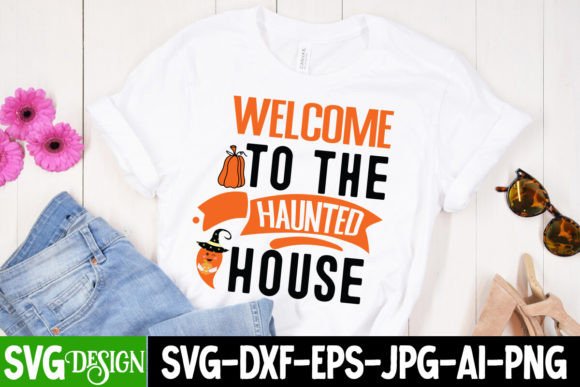
Welcome to the Haunted House SVG: A Stitch Test
As a designer who has digitized and stitched out countless seasonal graphics, I approach every new file with a healthy dose of skepticism. When I first opened the Welcome to the Haunted House SVG Design, I wasn't just looking for a cute retro aesthetic; I was evaluating its structural integrity for actual needle and thread. This design sits squarely in the intersection of vintage nostalgia and modern spooky season trends, but translating a digital graphic into a tangible handmade product requires more than just hitting start on the machine. My initial impression was positive regarding the visual hierarchy. The layout feels balanced, avoiding the cluttered look that often plagues complex Halloween graphics. It has a distinct personality that suggests it would work beautifully as a centerpiece for fall merchandise, but I immediately began mentally mapping out where the stitch paths might need adjustment for different substrates.
Evaluating Retro Aesthetics for Real Embroidery
The "retro" label is thrown around loosely in the T-Shirt Designs category, but this specific artwork captures that mid-century Halloween vibe without relying on excessive detail that gets lost in translation. For an embroidery project, less is often more. The bold shapes typical of this western Halloween style are actually ideal for stitching because they allow for clean satin stitch borders and manageable fill stitch areas. When I visualize this as a finished product, I see it shining on unstructured garments rather than rigid corporate wear. The whimsical nature of the haunted house motif pairs naturally with the drape of a fleece sweatshirt or the canvas weave of a tote bag. However, because this originates from a PNG and SVG bundle intended for various uses, you must verify if the included embroidery file has been specifically optimized for fabric or if it is a direct conversion. Direct conversions often suffer from unnecessary jumps and poor underlay, so inspecting the stitch sequence before committing to a final run is non-negotiable.
Sweatshirts and Totes: The Ideal Canvas
In my studio, when testing a design like Welcome to the Haunted House SVG Design, I gravitate toward medium-weight fabrics that offer stability. A cream-colored crewneck sweatshirt is perhaps the ultimate test bed for this graphic. The contrast of dark orange, black, and muted purple threads against a light fleece background allows the retro color palette to pop without requiring excessive density. For a sweatshirt embroidery project, the design’s scale is crucial. If the artwork is too small, the lettering in the "Welcome" portion may become illegible once the fabric relaxes after washing. Conversely, on a tote bag design, you have more freedom with size. Canvas holds stitch definition exceptionally well, making it a safe choice for showcasing the intricate corners of the haunted house architecture. I recently prepared a similar retro pumpkin motif for a client’s boutique fall collection, and we found that placing the design slightly lower on the tote created a better visual anchor than dead-center placement. This same principle applies here; consider the negative space around the house to let the design breathe.
Navigating Fabric Limitations and Stabilizer Choices
While this graphic is versatile, it demands respect for fabric physics. If you are planning to use this as baby embroidery on a onesie or bib, extreme caution is required. The density of a detailed haunted house scene can create a bulletproof patch effect on thin cotton jersey, which is uncomfortable for infants and prone to puckering. In such cases, I would recommend using this design only as an applique design rather than a full-stitch fill, or reducing the overall size significantly while increasing lettering spacing. For stretchy knits used in custom apparel, a cut-away stabilizer is mandatory to prevent distortion. Hoop burn is another risk with detailed graphics; ensure your hoop tension is correct and consider floating the garment if the fabric is too delicate for tight hooping. Dark fabrics present their own challenge. While the retro colors are vibrant, they may disappear against black or navy backgrounds unless you employ a white underlay base or adjust the thread colors to higher-contrast pastels. Always test on a scrap of the exact fabric you intend to use, as texture dramatically affects how satin stitches lay down.
Commercial Viability for Etsy Sellers and Makers
For the Etsy seller or small shop owner, time is money. A machine embroidery design that requires constant thread trims or re-hooping eats into profit margins. When evaluating Welcome to the Haunted House SVG Design for commercial embroidery production, look at the color change count. A true retro aesthetic often relies on distinct color blocking, which means frequent stops. Plan your production runs accordingly to minimize downtime. From a marketing perspective, this design has high giftability. It strikes the right balance between spooky and sweet, making it appropriate for holiday gifts, teacher presents, and seasonal home decor like pillow covers or tea towels. When creating printable mockups for your listings, ensure the digital preview accurately represents the stitched texture. Customers appreciate seeing a photo of the actual stitch-out alongside the digital rendering to set expectations regarding size and sheen. Furthermore, verify the licensing terms included in the Ultimate Halloween Svg Bundle. Just because you own the digital asset does not automatically grant unlimited commercial rights for physical products or digital resale. Protecting your business means reading the fine print before listing that embroidered patch or personalized gift for sale.
Technical Notes for a Professional Finish
Achieving a professional result with this graphic comes down to preparation. Before stitching on a valuable garment, run a test on similar scrap fabric. Check the registration of the outline stitches; in retro designs, misaligned outlines ruin the vintage charm instantly. Review the stitch density settings in your software. If the fill stitch is too dense for your chosen fabric, it will pucker; if it is too sparse, the fabric will show through, making the design look cheap. Pay special attention to any text elements within the design. Small serif fonts common in retro aesthetics are notorious for disappearing in embroidery. You may need to manually thicken the columns or swap to a bolder font variant to maintain readability at smaller sizes. Finally, consider the end user. Will this item be washed frequently? If so, ensure all ends are locked securely and avoid metallic threads in high-friction areas, as they can degrade over time. By treating Welcome to the Haunted House SVG Design with technical rigor rather than just viewing it as a quick seasonal graphic, you elevate your work from hobbyist to professional maker, ensuring your customers receive a durable, beautiful product that honors both the design and your craftsmanship.